The January Invoice You Build in November: A UK Guide to Black Friday Ink Deals

Photo: Unknown (artist), London Lithographic Co, London SE5 (printer), Her Majesty's Stationery Office (publisher/sponsor), Royal Air Force (publisher/sponsor), Public domain, via Wikimedia Commons
Black Friday 2026 falls on 27 November, and the ink deals are already creeping into inboxes. A three-pack for £19.99, a toner box with a free ream of paper, a compatible cartridge range you have never heard of but which promises 40% more pages. It all looks like exactly the sort of thing a sensible UK household should snap up before Christmas.
Sometimes it is. But a November bargain has a long tail. The cartridge you buy in a rush can sit in a drawer until January, fail to recognise your printer in February, or run dry after 60 pages because the yield on the box was measured in a lab with different settings. The discount is visible today. The cost arrives later.
Here is how we would sort a genuine Black Friday ink deal from a January invoice in disguise.
The discount is not the price
Start with the price you actually pay, not the percentage on the flash. That means cost per page, not cost per box. A £30 multipack that yields 600 pages is 5p a page. A £20 twin pack that yields 250 pages is 8p a page. The cheaper box is the dearer ink.
Use the yield figure on the pack as a rough guide, then knock it down for real life. Manufacturer yields are usually based on standard test patterns and a certain coverage. Your shopping lists, school letters and the occasional return label will not match that exactly. If you print photos, expect a bigger gap.
Also add the bits the deal page hides: delivery, a minimum basket spend, and the cost of storing three spare cartridges in a cupboard for eight months. If you would not buy the same amount at full price in March, ask why November makes it sensible.
Shelf life: the date on the box matters
Ink does not keep forever. Compatible cartridges often have a shelf life of around 18 to 24 months from manufacture, and toner can last longer, but the date still matters. Near-expiry stock is a classic Black Friday filler: it is cheap for the retailer because it needs to move.
A cartridge with six months left is not automatically a bad buy. If you print weekly and will use it by spring, fine. If it is a cyan cartridge for a printer you use twice a month, it may dry out or clog before you get value from it. Check the date on the listing or the box. If the retailer cannot tell you, treat that as a warning, not a challenge.
Storage matters too. A cool, dry cupboard is better than a windowsill, a shed or the top of a boiler. Heat and damp do not improve ink.
Multipacks only work if you print that much
Black Friday loves a big box. Four cartridges, two blacks and a colour, or a toner plus drum bundle. The saving per cartridge can be genuine, but only if every cartridge gets used before it expires and before you change printer.
Look at your last six months of printing. If one colour is always empty first, a pack with equal amounts of cyan, magenta and yellow may leave you with two orphans. If you print mostly black text, a monochrome-only deal is often the better buy, even if the colour multipack looks more exciting.
A simple test: divide the pack price by the number of cartridges you will realistically use in the next 12 months. That is your effective price. The rest is stock you are storing for the retailer.
The model number is the contract
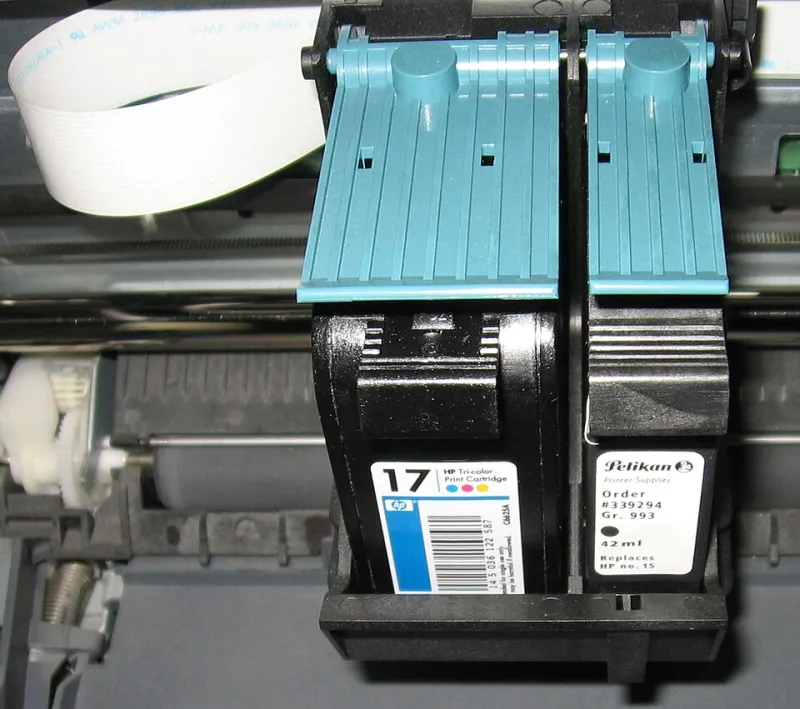
Printer names are vague. Model numbers are not. A cartridge listed for a popular series may fit some suffixes and not others, especially when a manufacturer has refreshed a chip or changed the cartridge shape inside the same family name. Before you buy, photograph the model plate on the printer, usually on the front or back, and match every character.
Then check firmware. Some printers have received updates that affect third-party cartridge recognition. A compatible cartridge that worked in an older review may behave differently on a printer updated in 2026. The retailer should list the models and firmware notes it supports. If the listing says only compatible with a brand name and nothing else, keep scrolling.
This is also where the returns clock starts. An ink cartridge is not a pair of shoes. Many UK retailers will accept unopened sealed cartridges back within their returns window, but opened ink is often excluded unless it is faulty or not as described. Your statutory rights still apply, but the practical route is to test the cartridge as soon as it arrives, while the window is open. Do not put it in the drawer and find out in January.
A cheap brand is not automatically a bad one
Unfamiliar compatible brands are not all dodgy. Some are perfectly sensible. But Black Friday brings out marketplace sellers with names made of consonants, stock photos that look like they were taken in 2012, and compatibility lists copied from somewhere else.
Look for a UK trading address, a clear warranty, a returns policy you can read without a magnifying glass, and reviews that mention your printer model rather than just the delivery speed. A brand that has been selling the same cartridge range for a few years is easier to trust than a listing that appeared three weeks ago with a countdown timer.
If the price is dramatically lower than every other compatible seller, ask what is missing. It might be old stock, a smaller yield, a different chip, or a seller who will be hard to reach in February.
The pre-purchase checklist
Before you hit buy, run through this:
- Price per page, using a realistic yield for your printing, not the best-case number on the box.
- Expiry date. Aim for at least 12 months if you are stocking up; buy shorter dates only if you will use them soon.
- Exact printer model and suffix, checked on the machine itself.
- Pack size against your actual six-month usage.
- Returns window and whether opened cartridges are accepted.
- Seller name, UK contact details and warranty terms.
- Reviews that mention your model, not just the brand.
- Firmware notes for compatible cartridges.
- Delivery cost and minimum spend.
- Whether you would buy the same quantity at full price.
The deal worth taking
A genuine Black Friday ink deal is usually boring. It is the cartridge you already buy, in the size you already use, at a lower price, from a seller you can contact. It might be a single black cartridge for a home office, or a toner pack for a small business that knows it will print 2,000 pages before spring.
The false economy is the exciting one: a mountain of near-expiry colour cartridges, a brand nobody recognises, a model list that almost matches your printer. It saves £15 in November and costs £40 in January when you replace the lot.
So treat Black Friday 2026 as a stock check, not a treasure hunt. Count what you print, check the dates, match the model number, and keep the receipt. A bargain cartridge is only a bargain if it prints something useful in 2027.