The Kitchen Table Photo Lab: What Compatible Ink Really Saves on 6×4 Prints in 2026
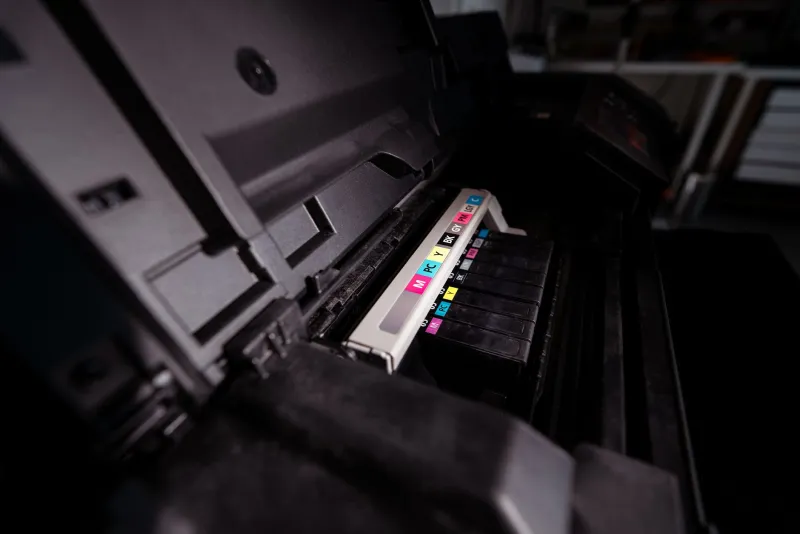
There is a particular kind of optimism in buying a pack of 6×4 glossy paper. You picture the fridge door filling up with birthday snaps and holiday sunsets, all printed for pennies while the kettle boils. Then you run a nozzle check, waste two sheets on a crooked test image and realise the cyan cartridge is already half empty. The question is not whether you can print photos at home. It is whether doing so with compatible ink actually beats the lab in 2026.
The short answer: it depends on the batch, not the printer
A single 6×4 print is rarely cheaper at home. A batch of 60, printed on a machine you already own, with compatible cartridges and sensibly priced paper, can be. The difference is not the headline price of ink. It is how many prints you make in one go, how much paper you waste getting there and whether you count your time as free.
The actual pennies, without the fairy dust
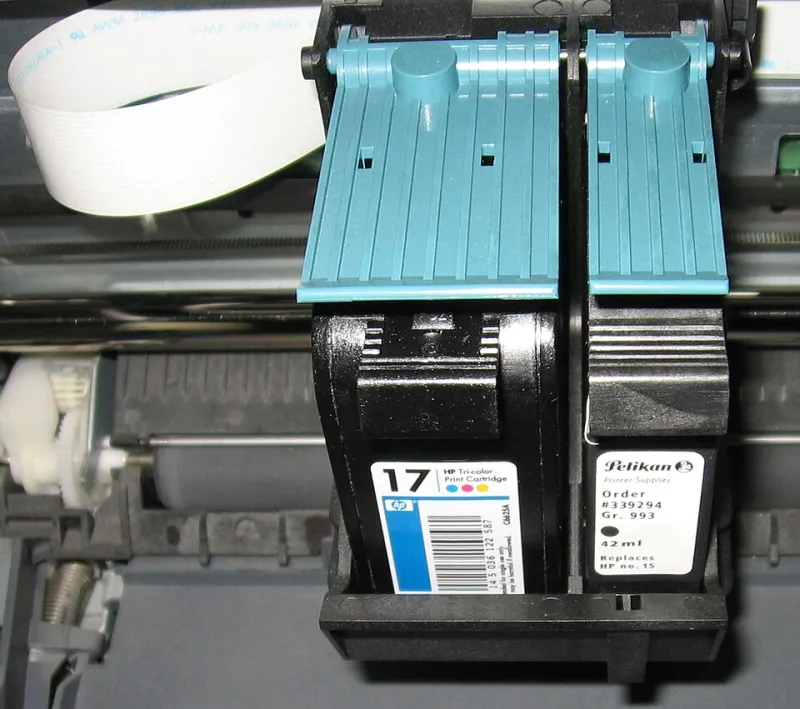
Take a popular home inkjet and a reputable compatible cartridge set. Depending on the printer and how much sky and skin tone is in the shot, a compatible set costing £15 to £25 might produce somewhere between 100 and 200 6×4 prints. That puts ink at roughly 8p to 25p per photo. A decent pack of 100 glossy 6×4 sheets costs £8 to £15, so paper adds another 8p to 15p. Direct materials land around 16p to 40p per print.
Now add the real world. Most of us do not print 100 photos in a perfectly calibrated run. We print 12, waste three, then print another four because someone blinked. If one in five prints is a dud, your effective cost rises by about a fifth. Suddenly that 25p print is closer to 30p or 35p. That is still not terrible, but it is not the 5p fantasy either.
What the high street and the lab charge
Supermarket kiosks at Tesco, Asda or Morrisons often sit around 15p to 30p for a standard 6×4, depending on the promotion. Boots and high-street photo shops such as Snappy Snaps tend to be higher, perhaps 25p to 50p, but you get a person to ask and sometimes better paper. Online labs such as Photobox or Snapfish can be cheaper per print, especially in bulk, but delivery is usually £2 to £4 and you wait a few days. Free-print apps make their money on postage and extras.
So for ten prints, the online lab or a kiosk usually wins. For 50 prints, the gap narrows. For 100 prints, home printing with compatible ink can undercut the high street, provided you are not replacing a clogged printhead halfway through.
Paper is not a rounding error
Cheap glossy paper can curl, jam or take ink badly. It also tends to look less impressive on the fridge. A mid-priced paper from a known brand is the sensible middle ground. Do not buy a 500-sheet box of bargain paper to save 2p a sheet and then waste 30 sheets working out why the colours look muddy. That is not a saving; it is a craft project with extra steps.
The hidden cost: calibration and the first five sheets
Every new printer, new paper or new cartridge can need a nozzle check and a test print. If you print photos once a month, those test sheets are a bigger share of your costs than the ink itself. If you print regularly, the printer stays healthy and the waste drops. This is why home photo printing suits households that already print school letters, colouring pages and the occasional form. The printer is already running. The photo is a passenger, not the whole journey.
Fading, framing and the fridge door
Compatible dye inks can produce lovely-looking prints, but they are not magic. In direct sunlight, a home print can fade faster than a lab print. Lab prints on silver halide paper generally last longer, especially behind glass. If you are printing a wedding photo to frame in a sunny conservatory, pay the lab. If you are printing a funny picture of the dog for the kitchen cupboard, compatible ink at home is absolutely fine. Store prints in an album, avoid damp and do not stick them on a radiator.
Convenience has a price, and sometimes it is worth paying
At 10pm before a school assembly, a home printer is priceless. A kiosk trip means shoes, parking and a machine that is out of order. An online lab means waiting. If you need one print now, home wins on convenience even if it loses on cost. If you need 80 prints from a holiday and you can wait three days, the lab wins on cost and probably on quality.
When home printing with compatible ink actually wins
It wins when you print in batches of 30 or more, when you already own a printer that is used regularly, when you have decent paper in the drawer and when you buy compatible cartridges from a UK seller with a returns policy. It also wins when you want control over cropping, duplicates and instant reprints. It loses when you print five photos at a time, when the printer sits idle for weeks and clogs, and when you need archival quality for a frame in bright light.
A simple 2026 decision rule
Under 20 prints: use a supermarket kiosk or an online lab. Twenty to 40 prints: compare the lab price with your paper and ink cost, and only print at home if you are already stocked. Fifty prints or more: home printing with compatible ink is worth doing, but factor in a few test sheets and do not expect OEM-level fade resistance. If the photos are going on a wall for years, pay the lab. If they are going in an album or on the fridge, the kitchen table lab is open for business.
The honest verdict is that compatible photo ink has made home printing more competitive, not automatically cheaper. It removes some of the cartridge premium, but it cannot remove the paper, the waste or the fact that your time has value. Print in sensible batches, buy paper you trust and keep a couple of spare sheets for the one that always gets jammed. That is the realistic saving.