Monthly Fee or Multipack? What a UK Household Really Pays to Print in 2026

Photo: Scott, Frederick George Alfred (artist), Fosh and Cross Ltd, London (printer), Her Majesty's Stationery Office (publisher/sponsor), Public domain, via Wikimedia Commons
Ask ten UK households what they spend on printer ink and you will get ten different answers, usually followed by a sigh. The market now offers two very different ways to pay: a monthly subscription that sends cartridges before you run out, or buying compatible cartridges when you need them. Both can be sensible. Both can be a waste of money. The right answer depends on how much you print, how predictable it is, and how much you enjoy thinking about ink.
This is not a hunt for the single cheapest option. It is a 2026 cost showdown for three common UK printing patterns: the light user, the medium household and the school-run printer. Prices change, so treat the figures as ballpark examples and check the current plan before you sign up.
The four routes on the table
The main subscription names in the UK are HP Instant Ink, Canon PIXMA Print Plan and Epson ReadyPrint. They work in a similar broad way. You choose a monthly page allowance, the manufacturer sends cartridges when the printer says they are low, and you pay a monthly fee. Some plans include a printer bundle or a discounted printer, which can make the maths look better than it really is.
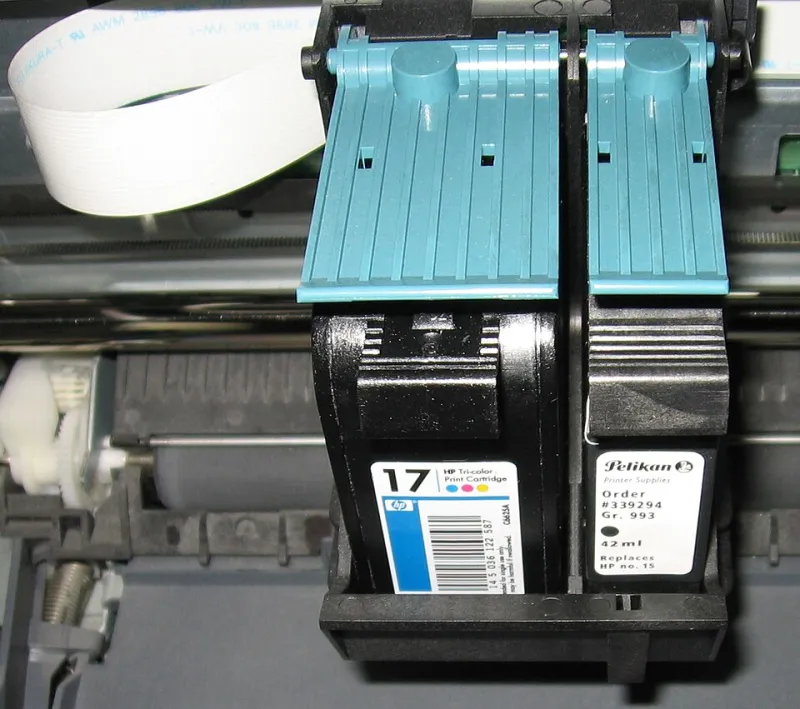
The fourth route is buying compatible cartridges from a third-party seller. You pay upfront, usually less than the manufacturer's own cartridges, and there is no monthly commitment. The trade-off is that you have to manage stock, check compatibility and accept that chip behaviour can vary. A good compatible cartridge can be excellent value. A bad one can cost you an afternoon.
| Route | What you pay | Best for | Main catch |
|---|---|---|---|
| HP Instant Ink | Monthly fee by page tier | Regular printers who want auto-delivery | Page caps, cartridge returns, connection rules |
| Canon PIXMA Print Plan | Monthly fee by page tier | Canon owners with steady printing | Rollover limits, cancellation terms |
| Epson ReadyPrint | Monthly fee by page tier | Epson owners, especially families | Tier changes, cartridge return rules |
| Compatible cartridges | Upfront per cartridge | Light or irregular printers | Chip/firmware mismatches, seller quality |
For comparison, it helps to know the manufacturer's own cartridge prices too, because they are the benchmark the subscriptions are trying to beat. A standard black cartridge often costs £15-£25 in the UK, while an XL version can be £25-£35. Compatible versions frequently sit at £8-£15 for black and £9-£16 for colour, though yields vary.
What the plans actually charge for
Plan prices are tiered by pages per month, not by ink volume. At the time of writing, the entry tiers for the main UK plans tend to sit around £1.99-£4.99 a month for a small allowance, with mid tiers around £5-£9 and higher tiers around £10-£16. The exact names and allowances change, and the printer bundle deals can shift the effective price.
The important number is not the monthly fee. It is the fee divided by the pages you actually print. A £4.99 plan that allows 50 pages sounds reasonable at 10p per page. If you only print 20 pages, it is 25p per page. That is expensive, even if the ink arrives in a nice box.
Subscriptions also have rules. Unused pages may roll over, but usually with a cap, and they often disappear if you cancel. Printing over your allowance can trigger charges or force an upgrade. Some plans require the printer to be connected to the internet, and the cartridges supplied under the plan may need to be returned when you cancel. If you bin them or lose them, you may be charged.
Cancellation is the part to read twice. Look for notice periods, minimum terms, cartridge return requirements and what happens to any rollover pages. A free trial can be useful, but set a reminder before it turns into a paid plan. And if you downgrade, check when the new allowance starts; it may not be immediate.
The compatible cartridge maths
Compatible cartridges are simpler on paper. You buy a cartridge, you use it, you buy another. The true cost per page is the cartridge price divided by the realistic yield. A compatible HP 302XL black cartridge at around £10 with a quoted yield of 480 pages works out at about 2p per page. A compatible Canon PG-540XL at £12 with a 600-page yield is also around 2p per page. Colour cartridges usually cost more per page because they hold less ink and are used for photos and graphics.
The catch is that quoted yields are based on standard test pages with a certain coverage. Real life is messier. School worksheets, photos, colouring pages and address labels all use ink differently. If you print a lot of colour, your cost per page will be higher than the box suggests. The same is true of subscriptions, but plans count pages rather than ink, so heavy colour users can sometimes get a better deal from a subscription than from paying per cartridge.
Compatible cartridges also carry compatibility risk. Check the seller's returns policy, look for recent reviews with your printer model, and avoid listings that do not name the chip type or the exact yield. A cheap cartridge that fails is not cheap.
Three households, three answers
The light user
This is the household that prints a boarding pass, a return label and the occasional letter. Maybe 10-20 pages a month, often in black. A subscription is rarely the best value here unless the plan comes with a printer you actually need. The monthly fee keeps running even in months when the printer is idle, and the page allowance can expire or roll over only so far.
For a light user with a working printer, a compatible black cartridge and a spare colour cartridge are usually the sensible buy. You might spend £20-£30 a year on ink, depending on your model and how much colour you use. If you already have a subscription, check whether the entry tier is cheaper than buying a cartridge twice a year. Often it is not.
The medium household
This is the couple or small family printing 50-100 pages a month: shopping lists, tickets, forms, the odd photo, homework. Here the maths gets closer. A mid-tier subscription at £5-£8 a month costs £60-£96 a year. Compatible XL cartridges might cost £40-£70 a year, but you have to remember to order them and deal with the occasional chip hiccup.
If you print fairly evenly through the year and you value the convenience, a mid-tier plan can be defensible. If your printing is spiky, with quiet months and then a burst of 80 pages before a holiday, a compatible multipack gives you more control. Do not pay for pages you will not use.
The school-run printer
This is the household where the printer earns its keep: homework, project posters, colouring pages, permission slips, party invitations, the lot. Printing can hit 150-300 pages a month, with plenty of colour and the occasional panic on a Sunday evening.
A higher-tier subscription at £10-£16 a month costs £120-£192 a year. Compatible high-yield cartridges might cost £80-£140 a year, but the colour cartridge may need replacing more often than you expect. The subscription wins on convenience and avoids the 'no black ink at 8pm' crisis. The compatible route wins on cost if you are organised enough to keep a spare black and colour cartridge in a drawer.
For most school-run households, the sweet spot is a high-yield compatible multipack plus a spare black cartridge, bought from a seller with a clear returns policy. If you are consistently hitting the top of a subscription tier and paying overage charges, move up a tier or switch to compatibles. If you are consistently underusing the tier, move down or cancel.
The verdict
There is no universal winner in 2026. The subscription plans are not a scam, but they are not magic either. They suit people who print regularly, want cartridges to arrive without thinking, and are comfortable with page caps and cancellation rules. Compatible cartridges suit people who print less predictably, want a lower annual bill and do not mind checking a model number before ordering.
A rough rule of thumb: if you print fewer than 30 pages a month, buy compatible cartridges. If you print 30-100 pages a month, compare the mid-tier plan against a compatible XL multipack and choose based on convenience. If you print more than 100 pages a month, especially in colour, price a high-tier plan against high-yield compatibles and keep a spare cartridge either way.
And whatever you choose, ignore the word 'unlimited'. No UK home printing plan is truly unlimited. There is always a page cap, a fair-use rule or a cartridge return policy hiding in the small print. The cheapest ink is the ink you actually use, bought at a price you have actually checked.