From Desk Drawer to Second Life: The Real UK Journey of an Empty Ink Cartridge
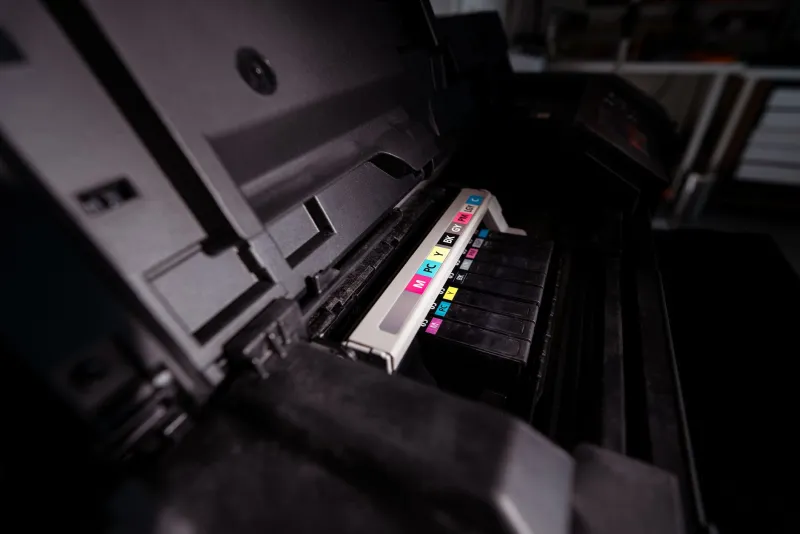
There is a particular moment in every UK home office when the printer flashes its low-ink warning, you pull out a plastic cartridge the size of a small chocolate bar, and then… you pause. Bin? Drawer? Some charity envelope you kept from three years ago? The cartridge sits in your hand like a tiny environmental dilemma.
You are not alone. Millions of cartridges pass through UK homes and offices every year, and the end-of-life route is far less tidy than the glossy recycling symbols suggest. In 2026, the options are better than they were, but they are also more confusing — especially when every box and every drop-off point seems to claim an eco credential. So let us walk through the realistic journey of an empty cartridge, from reuse to remanufacture to the bin, and work out how to choose a route that actually does something.
The moment the printer says “empty”
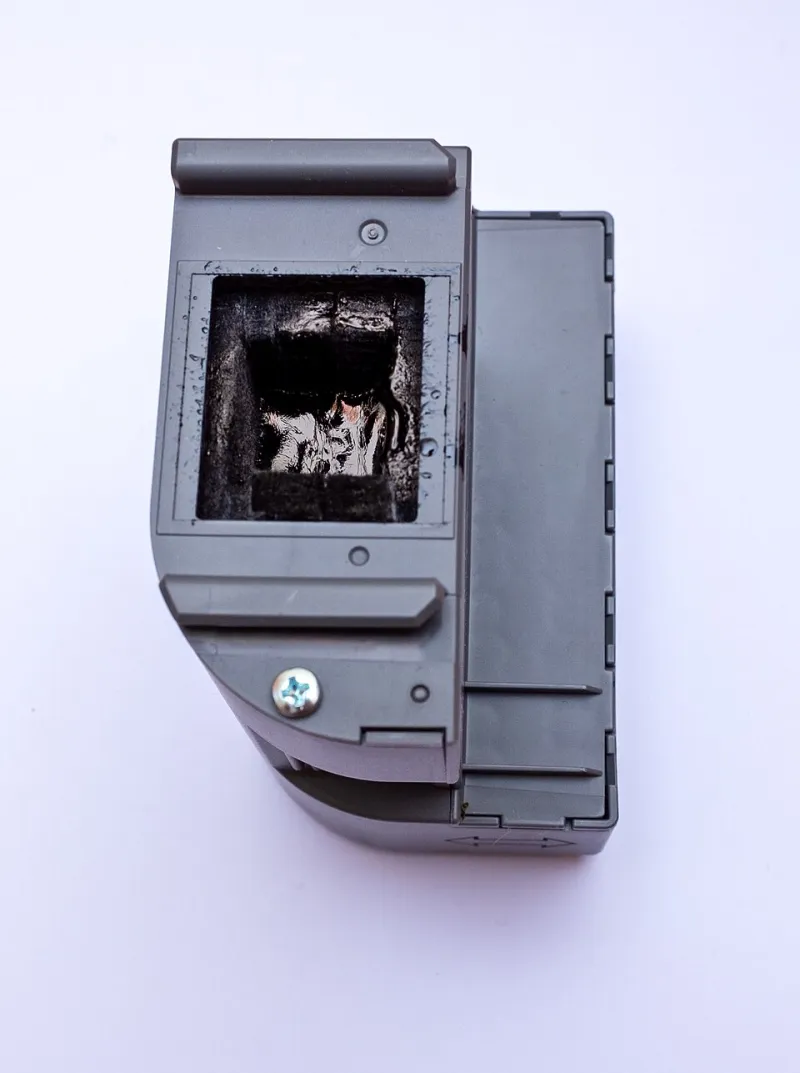
First, a small reality check: “empty” rarely means completely empty. It usually means the cartridge has hit the chip’s pre-set threshold, or the print quality has dropped far enough for the printer to complain. Some cartridges still have a few millilitres sloshing about; some are genuinely dry. Either way, the plastic shell, sponge, contacts and chip are still there — and that is the part recycling schemes care about.
It also helps to separate two things: the cartridge you bought and the cartridge you are throwing away. An OEM cartridge is made by the printer manufacturer. A compatible cartridge might be a remanufactured OEM shell that has been cleaned, refilled and fitted with a new chip, or a brand-new compatible built from scratch. Both can be recycled, but remanufactured ones have already had one life extended. That matters when we start counting waste.
Route one: reuse and remanufacture
The best environmental outcome is usually the one that keeps the plastic shell in circulation. Remanufacturing does exactly that. A used cartridge is collected, sorted, cleaned, tested, refilled and sold again — often as a compatible cartridge. In the UK, this is a well-established trade, and it is one reason compatible ink can be cheaper without being automatically dodgy.
Reuse is not perfect. Not every cartridge can be remanufactured; some are glued shut, some are too damaged, and some printer makers design shells that are awkward to refill. But when a remanufactured option exists, it generally avoids making a brand-new plastic body and keeps a useful component out of the waste stream. If you already buy compatible ink, look for suppliers who run a take-back scheme or who clearly state that their cartridges are remanufactured rather than new-build.
The catch is that “remanufactured” is not a regulated word in the way “organic” is for food. Ask what happens to the cartridge after you send it back. A good scheme will tell you whether it is refilled, dismantled, or sent for material recovery — and it will not pretend every cartridge gets a second life.
Route two: recycling schemes and high-street drop-off
Charity recycling schemes are the route most UK households recognise. You pop an empty cartridge into a freepost envelope or drop it at a participating shop, and a recycling partner pays the charity a small amount. Some supermarkets, stationery shops and post offices still act as collection points, though the list changes often, so check locally rather than trusting an old leaflet in your kitchen drawer.
These schemes are genuine when they are run properly. The cartridge is usually consolidated, sorted, and either remanufactured or broken down for materials. The charity gets a modest donation, and you get rid of the cartridge without putting it in the bin. The amounts are small — often pence per cartridge — so treat it as a convenient recycling route with a charity bonus, not a fundraising strategy.
High-street drop-off has a similar logic, but the quality varies. A shop counter with a battered cardboard box and no information is not the same as a scheme with a named recycling partner and a clear audit trail. If you are standing in a shop wondering whether the box is legit, look for the partner’s name, a charity registration number if donations are involved, and any statement about what happens to the cartridges. If none of that exists, you are basically trusting a box.
Route three: the bin — and why councils are cautious
Most UK councils do not want printer cartridges in your kerbside mixed recycling. They can jam sorting machinery, leak ink, and contaminate other recyclables. Some household waste recycling centres accept them in a dedicated container; many do not. Rules differ by council and by contractor, so the only reliable move is to check your local authority’s A–Z of waste before you drive anywhere.
If a cartridge does go in the general waste, it usually ends up in landfill or energy-from-waste. That is not a catastrophe for every single cartridge, but it is a poor use of a plastic shell that could often have been remanufactured. The bigger issue is scale: if millions of households default to the bin, the “small item” adds up. The answer is not guilt about every cartridge; it is a simple routine that makes the better route easier than the bin.
How to spot a genuine recycling scheme
Green claims are cheap. A cartridge box can say “eco”, “environmentally friendly” or “zero waste” without explaining anything. In the UK, a genuine scheme should be checkable. Look for a named recycling company, a physical address, and clear information about the end destination. If a charity is involved, check its registration with the Charity Commission for England and Wales, OSCR in Scotland, or the Charity Commission for Northern Ireland. If a company is collecting waste commercially, you can check its registration at Companies House.
Ask three blunt questions: Where do the cartridges go? What percentage is actually remanufactured or recycled? Who audits that claim? A good scheme will have answers, even if they are imperfect. A vague scheme will reply with more adjectives. Also be wary of “biodegradable” cartridge claims — the plastic shell and residual ink are not something you should tip onto the compost heap.
What compatible ink changes — and what it does not
Choosing compatible ink can improve the end-of-life picture, but it is not a magic wand. If you buy remanufactured cartridges, you are supporting an industry that extends the life of existing shells. If your supplier offers a take-back route, you have a clear place to send empties. And because compatible cartridges often cost less, you may be less tempted to stockpile spares that sit in a drawer until they dry out — a waste in itself.
What compatible ink does not do is cancel out the waste from overbuying. A cheap cartridge that arrives in a huge plastic blister pack and gets thrown away half-full is still a waste. The smart approach is the same for OEM and compatible: buy what you need, use it properly, and send the empty to a route that actually does something with it.
A simple 2026 routine for UK homes
Keep a small lidded box for empties instead of letting them roll around the drawer. When it is full, check your council’s recycling page, then use a charity scheme or high-street drop-off you have actually verified. If you buy compatible ink, ask the supplier whether they take back their own cartridges. And if a scheme’s “eco” language sounds like a marketing department wrote it, trust your instincts and look for the paperwork.
The cartridge in your hand is not just rubbish. It is a small plastic object with a possible second life — and in 2026, the difference between landfill and remanufacture is often just a few minutes of checking before you bin it.