Before the Returns Clock Runs Out: How to Test a Compatible Cartridge at Home

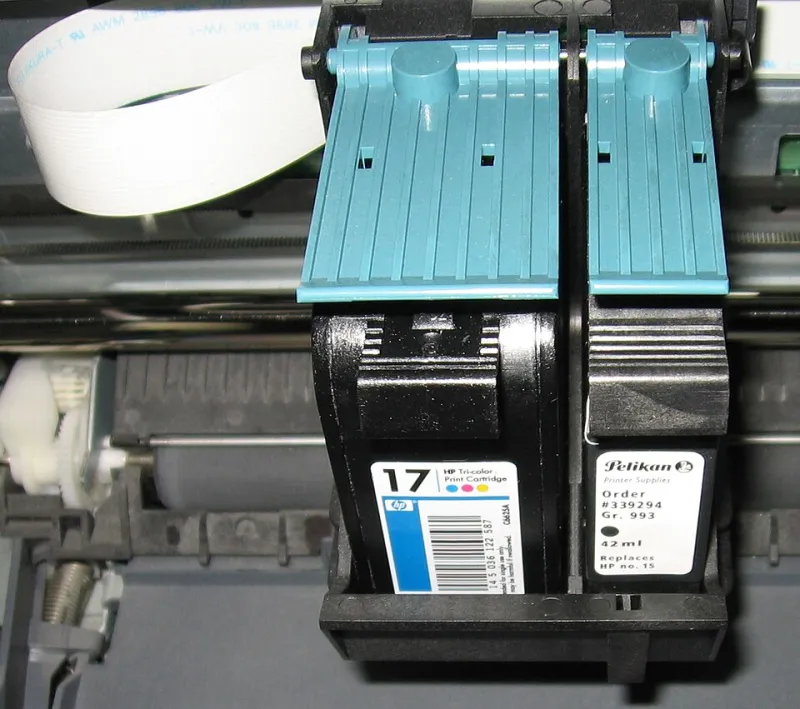
Photo: home printer nozzle check colour test page compatible ink cartridge UK desk, via www.royhomedesign.com
Why the first 30 pages matter
A compatible cartridge has a short probation period. In the box it looks like a bargain; on the page it either behaves or it doesn’t. The first 30 pages are usually enough to reveal the faults that matter: blocked nozzles, wonky colour, smudging, chip complaints and a page yield that disappears faster than a Friday takeaway.
The trick is to test deliberately while the retailer’s returns window is still open. Many UK retailers give you 14 to 30 days, but some require the cartridge to be unopened or genuinely faulty before they will refund it. So don’t wait until page 200 to notice that your cheap cartridge is printing like a damp photocopier.
At CompatInk UK, the advice is simple: treat the first 30 pages as a road test, not a formality. Keep the packaging, keep the receipt and keep a note of what happens.
Start with a boring nozzle check
Don’t print a novel. Print the printer’s own nozzle check or test pattern first. Every printer menu hides one somewhere, usually under maintenance, tools or setup. It uses very little ink and tells you whether the nozzles are firing cleanly.
Look for gaps, missing lines or a pattern that looks like a barcode with sections rubbed out. If you see those, run one cleaning cycle. Not five. Over-cleaning wastes ink, fills the waste pad and can make a marginal cartridge look worse than it is. If two normal cleaning cycles don’t clear the gaps, stop and contact the retailer. That is not a cartridge you want to nurse through a busy week.
Print a colour test, not just a shopping list
A black-and-white shopping list will not tell you much about colour accuracy. Print a simple colour block page with cyan, magenta, yellow, red, green and blue patches. Then print a photo on plain paper — it does not need to be gallery quality, just recognisable.
Check for a colour cast. Grey areas should look grey, not pink or green. Skin tones should look plausible rather than sunburnt. Banding across a colour block is a warning sign, especially if it survives a cleaning cycle. A compatible cartridge does not have to match the original manufacturer’s output exactly, but it should be consistent across the page and free from obvious streaking.
Check smudging and drying times
Smudging is one of the most common complaints about cheap ink. Print a page of bold text, wait 30 seconds, then run a highlighter across a line. Wait five minutes and try again on another line.
A little wetness on glossy paper is one thing. A cartridge that still smears after five minutes on plain office paper is a problem, particularly if you print school forms, invoices or anything that goes into a folder. Also check double-sided printing if your printer supports it. Cheap ink that transfers onto the reverse side is false economy in a home office.
Track yield from page one
Write down the date and the page count when you install the cartridge. Then print a realistic mix: text documents, a colour page, a photo and a few ordinary household jobs. Keep a rough note of how many cleaning cycles you run.
Page yield claims are usually based on standard test patterns, not your own chaotic mix of homework, recipes and return labels. Your mileage will vary. But if an advertised 200-page cartridge gives up after 60 pages, you have grounds to complain. A cartridge that delivers half its claimed yield is not a bargain, even if it was cheap at the till.
Watch the chip, not just the ink
Many compatible cartridges use their own chips, and some printers are fussier than others. A one-off ‘non-genuine cartridge’ warning is common and often harmless. Repeated ‘cartridge not recognised’ messages, ink levels that plummet from full to empty in a day, or a printer that refuses to print after the cartridge has already worked are red flags.
Check the retailer’s compatibility list before you install anything, and avoid updating your printer firmware in the middle of a test. Firmware updates can change how a printer talks to third-party chips. If an error appears, photograph the screen. It is much easier to win a return with evidence than with a vague description.
Keep the paperwork and packaging
This is the boring bit that saves arguments. Keep the receipt, the outer box, any batch code and the warranty leaflet. Photograph the cartridge label and the printer error screen if there is one. Some compatible sellers offer their own warranty, but the retailer’s returns policy is usually your first port of call.
Check whether the retailer wants the cartridge returned opened or unopened, and who pays postage. A £10 cartridge with £4 return postage is still worth returning if it has ruined a stack of labels, but it changes the maths.
When a cheap cartridge becomes false economy
The warning signs are fairly consistent: multiple cleaning cycles, banding that will not clear, colour drift, leaks, chip lockouts, noisy printing or a yield that bears no relation to the box. A £7 cartridge that prints 40 pages and clogs is more expensive than a £12 cartridge that prints 200 pages without drama.
It also costs time. Time spent cleaning nozzles, reprinting forms and chasing a returns label is not free. That is why the first 30 pages matter so much. They give you a fair sample without wasting a whole cartridge.
A 30-page checklist you can actually follow
| Page or step | What to do | What to watch for |
|---|---|---|
| Before installing | Photograph packaging, receipt and batch code | Missing paperwork makes returns harder |
| Page 1 | Nozzle check | Gaps, missing lines, streaks |
| Pages 2–3 | Colour block test | Colour cast, banding, weak patches |
| Page 4 | Photo on plain paper | Odd skin tones, muddy shadows |
| Page 5 | Bold text and highlighter test | Smearing after five minutes |
| Page 6 | Duplex or reverse-side test | Ink transfer, bleed-through |
| Pages 7–30 | Normal household printing | Chip errors, sudden low-ink warnings |
| End of test | Compare pages printed with claim | Yield far below expectation |
If the cartridge passes, you can relax and use it normally. If it fails, contact the retailer while the returns clock is still ticking. A good compatible cartridge should be quietly boring. The first 30 pages are simply there to prove it.